New anti-immigrant wave rolls over South Africa, leading to violence and arrests
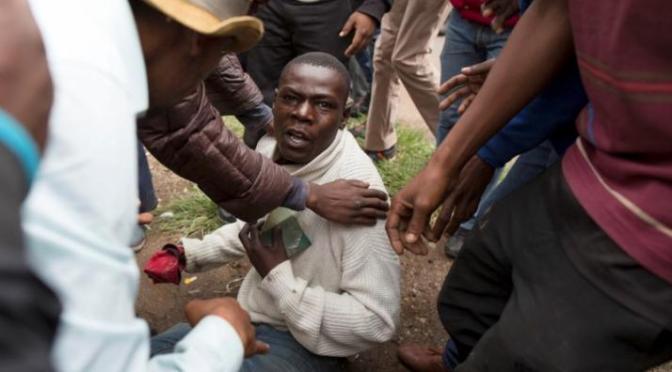
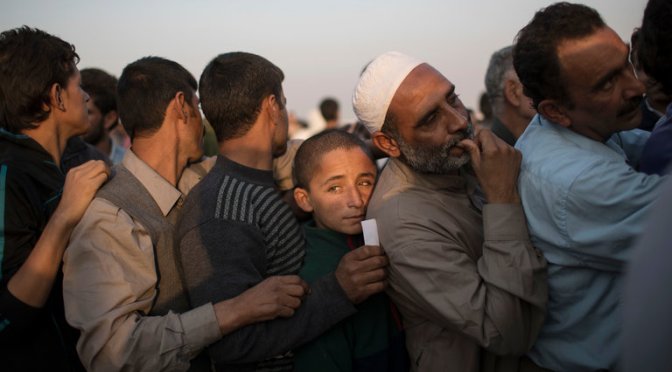
Pretoria stood at the center of a new wave of anti-immigrant sentiment in the country, where anti-immigrant protesters took part in marches and others looted at least 20 immigrants’ shops.
At least 136 people were arrested during a march after police used tear gas and other dispersal tactics.
Protesters have accused immigrants of bringing crime and sex work to South Africa as the nation experiences high levels of unemployment.
Hundreds of Christians flee as Islamic State violence increases in Egypt
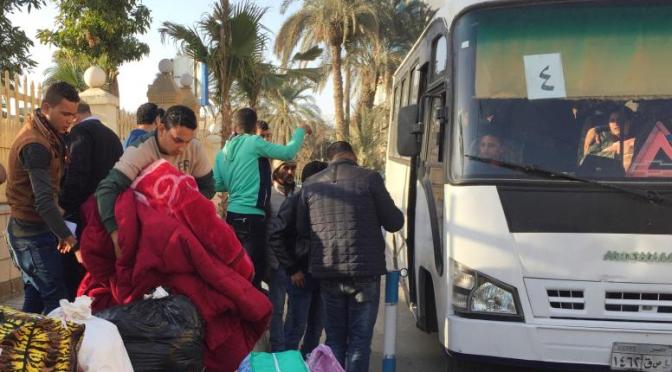
Dozens of families and more than 200 students fled the province of North Sinai as the Islamic State warned of more attacks against Christians in the country.
Seven Christians have been killed over the last month in the provincial capital Arish, where the Islamic State is making an insurgent push.
Militants circulated “death lists” online, forcing Christians to choose between flight or death.
One of the most important days in the Christian holiday canon, Christmas is celebrated by the devout, the lapsed, and the unbelieving alike as a time of gift-giving, decorating, and shared cheer. However, many of the worlds Christians, minorities in their communities, continue to face persecution as religious-extremist, nationalist, and other reactionary forces gain footholds around the world. From Indonesia to Egypt, religiously diverse societies have experienced increased sectarian tensions as parallel forces—anti-Christian sentiment and Islamophobia—have disrupted what was once stable co-existence. This roundup takes a look at recent developments in the plight faced by some of the most vulnerable Christians around the world. Continue reading Global Event | Christmas→
IS claims responsibility on Cairo church bombing that left dozens dead
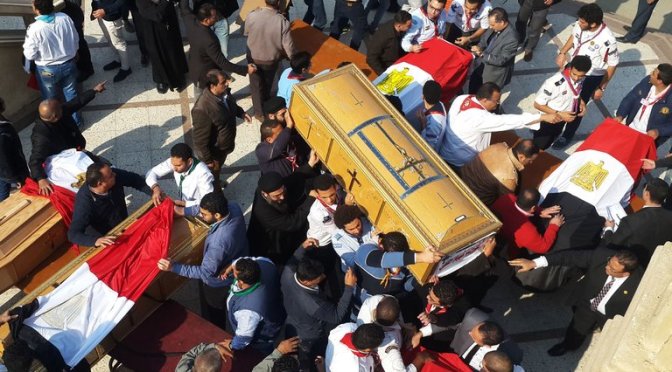
The attack on St. Mark’s Coptic Orthodox Cathedral killed at least 25 people and injured nearly 50, most of them women, in Egypt’s deadliest mass killing driven by sectarian conflict since 2011.
The cathedral was the seat of the Egyptian Orthodox Church and a prominent symbol for Egyptian Copts, who comprise around 10% of the country’s population and who have been subject to systemic discrimination.
Following the attack, the Islamic State threatened to escalate its “war on polytheism,” leading members of the Christian community and government officials to suspect more large-scale attacks are on the way.
Asylum center attack the latest in a series in Austria
Unidentified assailants threw a molotov cocktail at the center near Vienna, damaging a wall but leaving occupants uninjured.
Police are investigating the incident as a possible hate crime, with anti-immigrant sentiments having ratcheted up ahead of the upcoming presidential election pitting the independent incumbent against a far-right nationalist candidate.
The attack follows the arson of a newly built but unoccupied refugee center in Altenfelden earlier in the year.
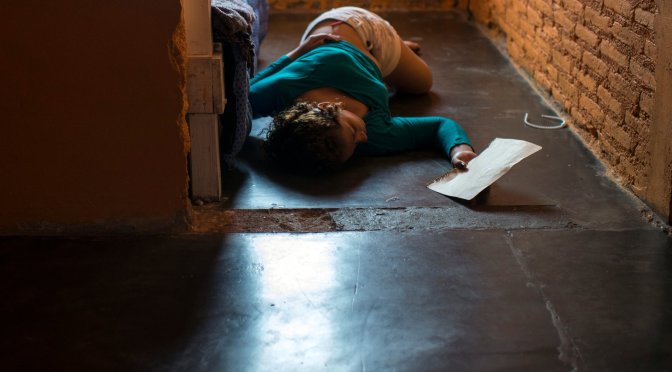
The Patricia Galvao Institute launches database cataloging gender violence in Brazil
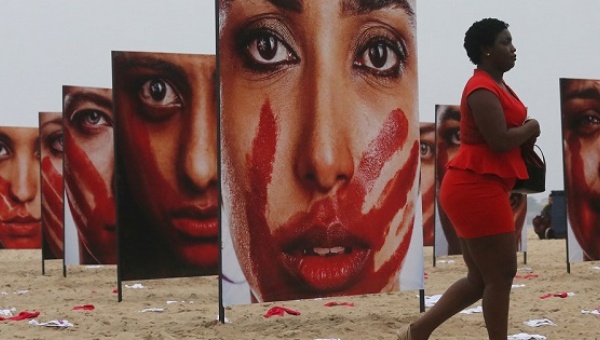
Dossiê Feminicído (Femicide Dossier) debuted as a resource for women, educators, advocates, researchers, and others interested in learning more about femicide and other forms of gender-based violence in the country.
The platform also provides information about resources, services, rights, and policy for and affecting women confronting violence in their communities.
Recent data indicates an average of 13 women are killed in Brazil each day, making the country one of the most dangerous in the world for women.
The situation for girls and young women in the “Northern Triangle” of Guatemala, El Salvador, and Honduras has perhaps never been more dire. The persistence of organized crime, with its emphasis on patriarchy and the subjugation of women, has forced many women and girls from their homes, fueling a migration crisis in Mexico and the U.S. From education disruption to sexual slavery, young women have found their prospects circumscribed by a culture of entitlement, intimidation, and violence that severely limits women’s agency in the region. The Guardian investigates the conditions young women face in the region and
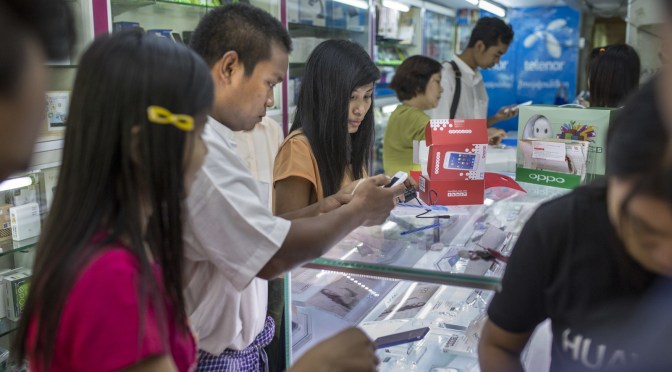
The Radical Intolerance of Fake News in Myanmar’s Internet Debut
The debate over fake news and disinformation took center stage in the post-election analysis in the U.S. Facebook in particular has come to stand as an avatar of disinformation tactics, with the rapid spread of factually incorrect stories on the social media platform having contributed, some analysts argue, to the outcome of the election. On the other side of the planet, Myanmar has seen its own struggles with digital information culture as it has begun rapidly digitizing in the wake of its transition to civic government in 2015. As conflict between Muslims and Buddhists in the majority-Buddhist nation has deepened in recent months, false and sensationalist stories masquerading as news have contributed to anti-Muslim sentiment in the country, further inflaming tensions.BuzzFeed News examines how Myanmar is integrating online information culture into both civic and everyday life as its complicated relationship to diversity, inclusion, and free expression is being challenged in countries with longer histories of online engagement.
Pro-diversity mass demonstration takes place in Jakarta
Known as the Bhineka Tunggal Ika (“Unity in Diversity”) Parade, the event brought hundreds of pro-diversity demonstrators out dressed in red and white (the national colors) and traditional dress to support ethnic and religious unity in the country.
The peaceful event was a response to growing concerns about the influence of fundamentalist Islamic leaders in the Muslim-majority country.
Recently, hundreds of thousands protested in a call for Jakarta’s governor, an ethnic Chinese Christian, to be charged with blasphemy, and an attack on a church in Samarinda left three children injured and one dead.
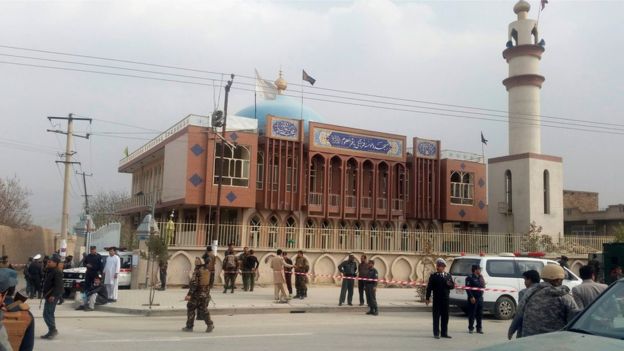
More than 50 killed after bombing at Sufi shrine in Pakistan
The attack took place in the Khuzdar district of Baluchistan province, killing at least 52, wounding more than 100, and trapping an unknown number of others.
Security forces believe a suicide attacker carried out the massacre as hundreds were in the shrine for daily devotional activities.
The attack was the latest in a series targeting Sufis, members of a minority Islamic sect that has been the target of a number of attacks from extremist Sunni groups.
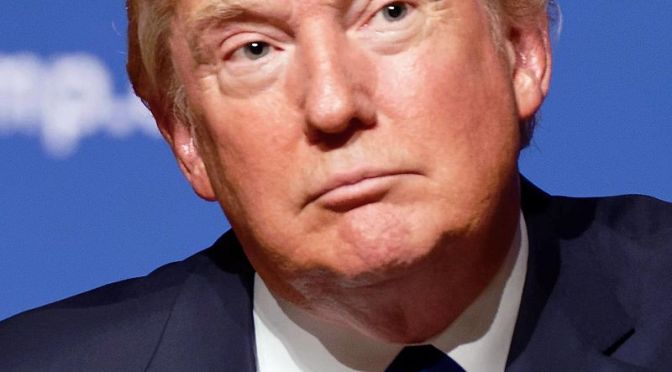
The conclusion of an election that saw an historic clash over the values of diversity, inclusion, and the meaning of “America” has brought with it a surge in uncertainty for minority and other historically disadvantaged communities in the U.S. The damage was extensive: the nearly year and a half of campaigning saw ethnic and religious minorities disparaged, immigrants targeted, women (including his opponent) subjected to misogynistic abuse, the mainstream press caught in the crosshairs of an anti-media campaign, and rhetorical and symbolic resonances in speeches and advertising that drew white supremacists and other far-right extremists out of the woodwork.
In what ways has Trump’s election reshaped the social and political climate for vulnerable American populations, including women, Latinos, black people, immigrants, LGBTQ people, and people with disabilities? How is the post-election retreat from data showing racial resentment as the highest predictor of Trump support endangering reality-based solutions for vulnerable communities, politicians, and analysts? And how has his rise to power connected to and amplified similar right-wing, ethno-nationalist politics globally?
Whether and how American conservatives and the Republican Party—now set to hold power in all three branches of government—are able to manage a resurgent coalition of ethno-nationalist voters as well as the capacity for progressive and Democratic activists to create social, political, and legal structures to protect vulnerable communities will determine what life in Trump’s America will look like for the at-risk. This ClimateWatch rounds up a number of key news items, analyses, and commentaries providing insight on what has happened and what could be on the horizon. Continue reading ClimateWatch: U.S.→
As the battle rages between the Islamic State and a coalition of forces led by the Iraqi government for control of the northern Iraqi city of Mosul, many of the ethnic and religious minorities who called it home for generations fear the city will never again be the tolerant, culturally rich home it once was. Sunnis, Shiites, Yazidis, Christians, Kurds, Arabs, and others all coexisted in the vibrant cultural landscape of a city with both historical and contemporary significance, but the 2003 American-led invasion of Iraq and the recent occupation of Mosul by the Islamic State have all but decimated the minority communities that called the city home. The New York Times takes a look at the city’s decline, the uncertainty of its future, and the stories of those who once flourished in a cosmopolitan city known for its diversity and tolerance.
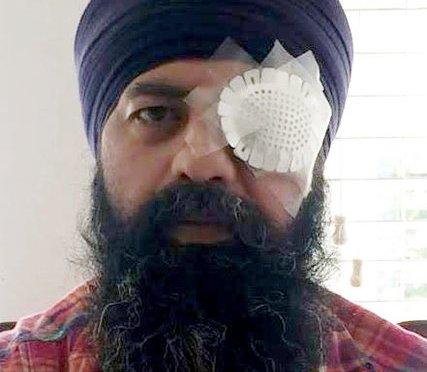
Assailants face hate crime charges following attack on Sikh man in California
The attackers had thrown beer cans at Maan Singh Khalsa‘s car in Richmond, California, and then physically attacked him, including knocking off his turban, forcing his head down, and cutting more than 10 inches of his hair.
Unshorn hair is a religious mandate for observant Sikhs, and the specific targeting of his hair led to the hate crime designation.
The attack follows years of similar targeting of Sikhs in the U.S., with many mistaken for Muslims and subject to violence because of their religious wear.


 Outlas