Tag Archives: Northern America

U.S. Feature | Native Americans

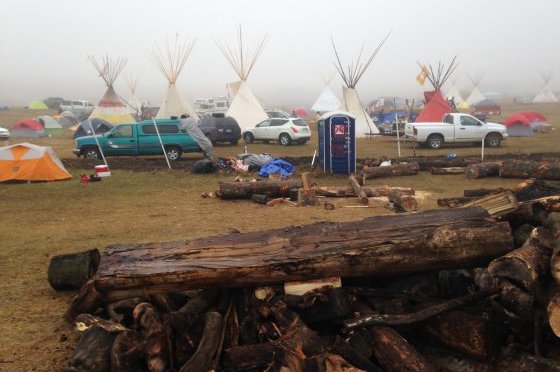
The Dakota Access Pipeline Protests, from Land to Twitter

Source: Al Jazeera YouTube

Though having only recently had the spotlight of the national media trained on them, the Dakota Access Pipeline protests have been a months-long clash between, on the one hand, Standing Rock Sioux tribe members, indigenous and non-indigenous allies, and environmental activists, and, on the other, proponents of the nearly 1,200-mile long oil pipeline from western North Dakota to southern Illinois. Indigenous protesters have made recourse to both litigation and direct action in an attempt to halt construction on a pipeline slated to come within a half-mile of the Standing Rock Sioux reservation. The protests have drawn both state and federal intervention, with the National Guard having been brought to protest sites, violent clashes between police and protesters, a legal tango between the Obama administration and district court judges, and increasing pressure on the U.S. presidential candidates to take a stand on the issue.

At issue is what activists say has been a failure on the government’s part to engage Native communities, conduct a thorough environmental and cultural impact assessment ahead of the pipeline’s construction, confront tribe members’ concerns about the potential for water contamination, and adhere to laws regarding the preservation of sacred cultural sites. The approach of the bitter North Dakotan winter has punctuated current protests with a question mark as activists and advocates seek to perpetuate the recently gained media momentum and mobilize public opinion—and, by extension, political pressure—against the pipeline’s construction.

Read:
A History of Native Americans Protesting the Dakota Access Pipeline(Mother Jones)
What to Know About the Dakota Access Pipeline Protests” (TIME)
The Standing Rock Sioux ‘know what they’re doing’ in North Dakota” (Public Radio International)

Additional:
Tension Between Police and Standing Rock Protesters Reaches Boiling Point” (The New York Times, October 2016)
Tribe Says Police Are Violating The Civil Rights Of Dakota Access Pipeline Opponents” (The Huffington Post, October 2016)
Dakota Pipeline Company Buys Ranch Near Sioux Protest Site, Records Show” (NBC News, September 2016)
The Legal Case for Blocking the Dakota Access Pipeline” (The Atlantic, September 2016)

(Image Credit: James MacPherson/AP, via TIME)

U.S. News | Sikhs

Assailants face hate crime charges following attack on Sikh man in California
  • The attackers had thrown beer cans at Maan Singh Khalsa‘s car in Richmond, California, and then physically attacked him, including knocking off his turban, forcing his head down, and cutting more than 10 inches of his hair.
  • Unshorn hair is a religious mandate for observant Sikhs, and the specific targeting of his hair led to the hate crime designation.
  • The attack follows years of similar targeting of Sikhs in the U.S., with many mistaken for Muslims and subject to violence because of their religious wear.

Read more:
2 Face Hate Crime Charges in Attack on Sikh Man in California” (The New York Times)
Two men charged with hate crime in attack on Sikh in California” (Reuters)
Sikhs under attack” (CNN)

(Image Credit: The Sikh Coalition, via The New York Times)

U.S. News | Somali Muslims

Muslims of Somali descent targeted in Kansas bomb plot
  • Three men were arrested on charges of domestic terrorism after a plot to bomb an apartment complex in Garden City, Kansas housing a large number of immigrant Somali Muslims.
  • The conspirators went by the name “The Crusaders” and had come under surveillance during an eight-month investigation by the FBI.
  • The failed plot comes amidst a wave of anti-Muslim attacks in the U.S., with 2015 and 2016 having had the highest number on record.

Read more:
Attack on Somalis in Kansas thwarted, feds say” (CNN)
3 Held in Bomb Plot Against Somalis in Kansas” (The New York Times)
Anti-Muslim Hate Crimes Reach ‘Levels Not Surpassed’ Since 9/11: Analysis” (NBC News)

(Image Credit: Eduardo Munoz/Reuters, via NBC News)

Mexico News | Haitian Migrants

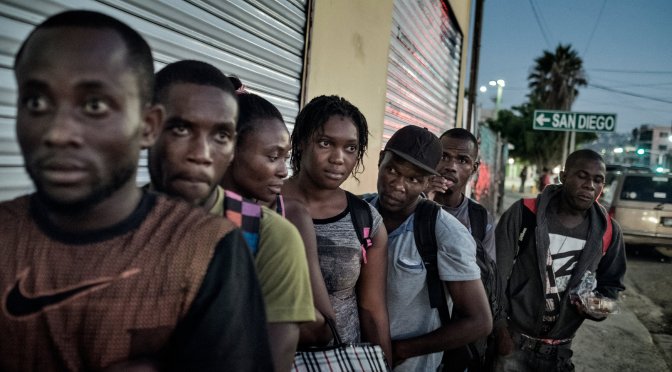
End of special immigration protections diminishes hopes of Haitians looking to cross into U.S. from Mexico
  • Thousands of Haitians have become trapped in Mexico as an ongoing migration crisis has been exacerbated by the recent destruction wrought by Hurricane Matthew in their home country.
  • The U.S. recently ended special protections for Haitian migrants in the country in place since the 2010 earthquake that killed more than 200,000, though activists have begun pressuring the government to renew them in light of the most recent natural disaster.
  • Monitors estimate as many as 40,000—many coming from an economically distraught Brazil—may be en route throughout the Americas as they pay upwards of thousands of dollars to pass through the most legally treacherous parts.

Read more:
Far from Hurricane Matthew, a Haitian crisis flares in Tijuana” (Reuters)
Haitians, After Perilous Journey, Find Door to U.S. Abruptly Shut” (The New York Times)
Haitians throng at U.S.-Mexico border despite deportation policy” (AP via CBS News)

(Image Credit: Adam Ferguson/The New York Times)

U.S. News | Syrian Refugees

U.S. meets target of 10,000 Syrian refugee admissions
  • The White House announced that the 10,000th Syrian refugee had been scheduled for arrival a month before the end of the fiscal year, with Michigan and California topping the list of most popular destinations for arrivals.
  • The number of admissions is expected to be capped at 10,000 again for 2017, though plans have been announced to increase the number by a few thousand each year thereafter.
  • The number of admissions will be contingent upon the outcome of the 2016 national elections, with refugee admissions and immigration more broadly a controversial topic in the presidential campaigns.

Read more:
U.S. to meet target of admitting 10,000 Syrian refugees: White House” (Reuters)
US meets goal of admitting 10,000 Syrian refugees ahead of schedule” (The Guardian)
Top Destinations for Syrian Refugees: Michigan and California” (NBC News)

(Image Credit: David Ryder/Reuters)

Canada News | Indigenous

Killing of Indigenous man stokes racial tensions in Saskatchewan
  • Colten Boushie, a 22-year-old man belonging to the Red Pheasant First Nation, was shot and killed by a farmer while driving with four friends on private property near Glenside.
  • The shooter was arrested and charged with second-degree homicide, but First Nation leaders have accused the Royal Canadian Mounted Police (RCMP) of releasing a prejudicial press release to bias public opinion against the victim.
  • A torrent of racist social media comments led the Saskatchewan premier to issue a warning that laws would be enforced to prosecute online hate speech.

Read more:
Racial tensions flare in Saskatchewan after shooting of Indigenous man” (The Guardian)
Racial tensions flare in Saskatchewan after killing of First Nations man” (The Canadian Press via The Globe and Mail)
‘We are all in shock’: 22-year-old man fatally shot in farmyard, 54-year-old man charged with murder” (Saskatoon StarPhoenix)

(Image Credit: via The Guardian)

U.S. News | Emiratis

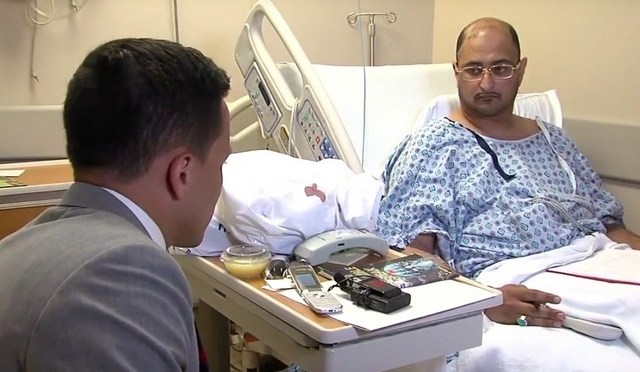
Emiratis warned against wearing national dress abroad after man falsely reported for IS allegiance in U.S.
  • An Emirati man in the U.S. for medical treatment was forcefully arrested in Avon, Ohio, after a receptionist at the hotel he was staying at called police to report that he was declaring allegiance to the Islamic State.
  • He was released once it was determined he had made no such declarations and received an apology from the mayor and police chief.
  • After the U.S. ambassador was summoned, the U.A.E. Foreign Ministry issued a statement advising Emirati citizens not to wear traditional formalwear for their safety while traveling abroad.

Read more:
Emirati mistaken for Daesh: Avon police chief sorry” (Gulf News)
‘They were brutal with me’ Emirati describes arrest in US after being mistaken for ISIL member” (The National)
UAE tells citizens to avoid national dress while abroad after man held in U.S.” (Reuters)

(Image Credit: WEWS News Channel 5, via The National)

Canada Feature | Syrian Refugees

Refuge in the Great White North

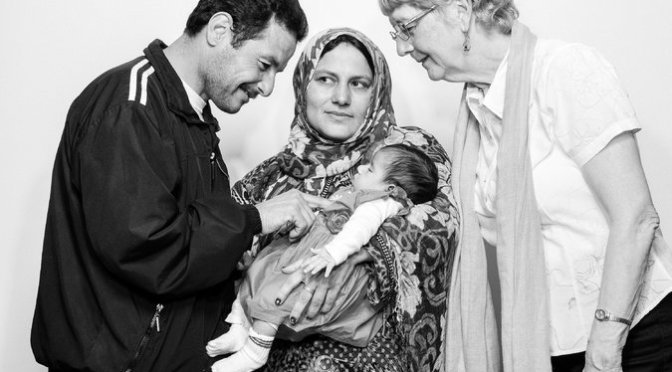
While a resurgence in xenophobic nationalism has hampered humanitarian efforts in countries like the U.S., the U.K., Japan, and South Korea, provisions in Canada’s immigration law allowing for the private sponsorship of refugees has made the country a bright spot in the global refugee crisis. The program has opened up opportunities where few would exist otherwise, and though concerns over the potential for paternalism have given some refugee advocates pause, Canadians’ historical willingness to open their wallets, homes, and neighborhoods to refugees has long given new arrivals a reason to believe in Canada’s welcoming reputation. Amidst the culturally and politically sensitive terrain of traumatic memories, privacy issues, language barriers, and financial struggle, The New York Times profiles some of the Canadians, new and old, participating in the country’s private sponsorship program.

Read more:
Refugees Encounter a Foreign Word: Welcome” (The New York Times)

(Image Credit: Damon Winter/The New York Times)

U.S. News | Transgender

Pentagon opens up military service to trans people
  • Effective immediately, trans men and women are able to serve openly in the U.S. Armed Forces under order of Defense Secretary Ash Carter.
  • The decision comes in the wake of the 2015 decision to open up combat roles to women and the 2011 abolition of the “Don’t Ask Don’t Tell” law barring openly gay and bisexual people from serving in the military.
  • Secretary Carter also indicated that the military would cover the medical costs for trans service members undergoing transition treatments.

Read more:
Transgender People Will Be Allowed to Serve Openly in Military” (The New York Times)
The Pentagon’s ban on transgender service just fell — but the details are complicated” (The Washington Post)
Pentagon ends transgender ban” (CNN)

(Image Credit: Alex Brandon/Associated Press, via The New York Times)

U.S. News | Women

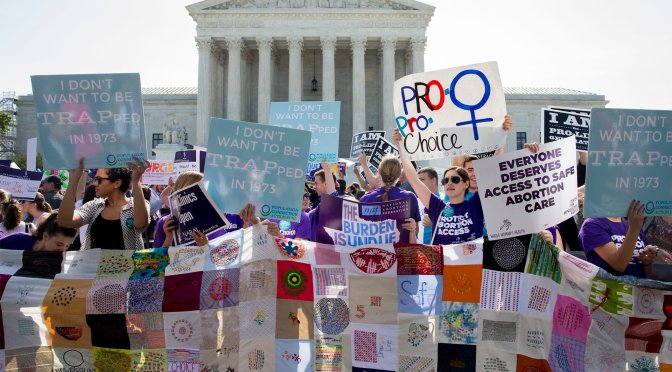
U.S. Supreme Court rejects restrictions on abortion clinics in Texas, Mississippi, and Wisconsin
  • The Court ruled 5-3 in favor of blocking restrictions enacted through a 2013 Texas law on the standards necessary for clinics to be allowed to operate within the state, the most expansive decision on abortion rights since 1992’s Planned Parenthood v. Casey.
  • The majority opinion found that the restrictions—which included requiring admitting privileges of doctors in nearby hospitals and heightened operational standards for the clinics—were medically unnecessary and reduced women’s access to safe abortion procedures.
  • The justices also declined to hear cases involving abortion provision restrictions in Mississippi and Wisconsin, and Alabama announced it would no longer pursue restrictions on abortion doctors in the wake of the Court’s decision.

Read more:
Supreme Court Strikes Down Texas Abortion Restrictions” (The New York Times)
Supreme Court spurns abortion restrictions in two more states” (Reuters)
How the Texas abortion ruling will affect access across the US” (The Guardian)

(Image Credit: Michael Reynolds/EPA, via The Guardian)

U.S. News | Undocumented Immigrants

U.S. Supreme Court tie upholds lower court decision against blocking deportation of undocumented parents
  • A 4-4 decision left in place an appeals court ruling blocking President Obama’s executive order shielding the undocumented parents of Americans and permanent residents from deportation.
  • The program, Deferred Action for Parents of Americans and Lawful Permanent Residents (DAPA), would have protected more than 4 million from deportation but never went into effect after 26 states immediately challenged the 2014 order.
  • The plaintiff states argued that President Obama had overstepped his authority with the executive order, while the White House pointed out the President’s constitutional authority to issue it.

Read more:
Supreme Court Deadlocks on Obama Immigration Plan. It Remains Blocked.” (The New York Times)
Supreme Court, split 4-4, blocks Obama immigration plan” (Reuters)
Obama’s huge new immigration plan, explained” (Vox, November 2014)

(Image Credit: Michael Reynolds/EPA, via The New York Times)

U.S. News | LGBT

Mass shooting in Florida gay club leaves at least 50 dead in deadliest shooting in U.S. history
  • A gunman opened fire in the early morning hours at Pulse, a gay nightclub in Orlando, killing at least 50 and wounding at least another 53 in what authorities are investigating as a terror attack.
  • The club was hosting a Latin-themed dance night, drawing patrons from within and beyond the LGBT community.
  • According to the currently released numbers, the attack is now the deadliest mass shooting in U.S. history.

Read more:
Florida nightclub shooting: updates (The Guardian)
Shooting at Pulse Florida Nightclub: Updates (The New York Times)
Fifty people killed in massacre at Florida gay nightclub: police” (Reuters)
Here Are The Victims That Have Been Identified In The Orlando Nightclub Shooting” (BuzzFeed News)
How to Help the Victims of the Pulse Orlando Nightclub Shooting” (TIME)

(Image Credit: Steve Nesius/Reuters)

U.S. Feature | Homeless Seniors

The Changing Face of American Homelessness

A bulge of homeless baby-boomers has been making its way through the nation’s aging pipeline, with more than 300,000 homeless people in the U.S. now over the age of 50. From the recessions and zero-tolerance drug policies of the ’70s and ’80s to contemporary wage stagnation and affordable housing shortages exacerbated by unchecked urban gentrification, many who came of age during the social tumult of the ’60s and ’70s have struggled to maintain their footing in the nation’s rapidly evolving cities. For many, chronic illness and disability have led to homelessness or struck as a result of it, prematurely introducing aging issues into an already vulnerable population. As a result, homeless seniors have found themselves at the center of an epidemic that is increasingly understood to intersect with other national problems, including weak safety nets for seniors, people with disabilities, and the poor.

As national conversations framed through the lens of personal responsibility, urban threat, and moral failings compound the shame many experience in precarious situations, the aging homeless community has found itself not only marginalized on the streets, but within the discourse of homelessness in general, framed as it too often is in terms of workforce reintegration and social re-engagement. With the elderly homeless population expected to more than double by 2050, The New York Times recently examined the structural problems facing the aging homeless population and challenges affecting the development of effective long-term solutions.

Read:
Old and on the Street: The Graying of America’s Homeless” (The New York Times)

Additional coverage:
Fast-aging homeless population may lead to public health crisis” (The San Francisco Chronicle, March 2016)
Solving The Growing Health Needs Of America’s Elderly Homeless” (ThinkProgress, February 2016)
‘We Shouldn’t Have To Live Like This’” (NPR, March 2013)

Reports:
Aging and Housing Instability: Homelessness among Older and Elderly Adults (National HCH Council, September 2013)
Homelessness Among Elderly Persons (National Coalition for the Homeless, September 2009)

Connect:
National Alliance to End Homelessness
National Coalition for the Homeless
National Health Care for the Homeless Council

(Image Credit: Monica Almeida/The New York Times)

U.S. Feature | People with Disabilities

The New Segregation

Long-term care for people with chronic illnesses and certain physical and cognitive disabilities has become an important civil rights battle ground over the last two decades. While media attention has focused on government responses to civil rights issues including anti-LGBT legislation and racial inequalities in the criminal justice system, the U.S. Department of Justice has opened more than 50 investigations into what it reports has been the segregation of people with chronic illnesses and disabilities in nursing facilities. Effectively institutionalizing people with disabilities, nursing facilities have detached an estimated 250,000 from economic opportunity and social life, despite a 1999 Supreme Court ruling that people with disabilities should only be placed in nursing facilities if medically necessary. The New York Times analyzes the push for home-based care and the DOJ’s active investigations into violations of protections secured under the Americans with Disabilities Act and the Supreme Court’s 1999 decision.

Read:
South Dakota Wrongly Puts Thousands in Nursing Homes, Government Says” (The New York Times)

Additional:
Feds: Relying On Nursing Homes For Those With Disabilities Not OK” (Disability Scoop)
Letter on results of investigation into South Dakota’s healthcare practices (U.S. Department of Justice)
Senate HELP Committee Chairman Tom Harkin Releases Report Showing ADA’s Promise of Integration is Not Being Met for Many Americans with Disabilities” (U.S. Senate press HELP release, July 2013)

(Image Credit: Thinkstock, via Disability Scoop)

U.S. Feature | Class & Socioeconomics

America’s New Gilded Age

Widening socioeconomic divergence in the U.S. has taken center stage in the 2016 presidential campaigns, with everything from campaign financing to banking practices under scrutiny as progressive candidates challenge growing wealth inequality. But economic analysts have noted how beyond governance, socioeconomic divisions are increasingly becoming codified through atomized marketing and service provision practices.  In business, product innovation has increasingly targeted the wealthiest Americans, creating both exclusive-service clubs and an aspirational marketing pipeline that some analysts say has fueled resentment.

Travel has been a particularly stratified industry: cruise lines maintain rigid hierarchies of accommodations and leisure facilities, while distinct class systems on airliners provide wildly different flying experiences for travelers. Talking points from luxury executives make clear that money is not the only bottom line: those of lower income willing to take the financial hit find their entry attempts circumvented by corporate policies that maintain a carefully curated elite. The New York Times examines how widening inequality is impacting innovation, service, and mobility in the U.S.

Read:
In an Age of Privilege, Not Everyone Is in the Same Boat” (The New York Times)

Additional:
Growing wealth inequality ‘dangerous’ threat to democracy: experts” (Reuters)
Is the fear of a financial education widening the wealth gap in America?” (The Guardian)

(Image Credit: Edward Linsmier/The New York Times)