Tensions escalate in North Dakota as protesters and police clash in Dakota Access Pipeline protests
Protesters reported police wielding tear gas and water cannons in the 23-degree weather after claiming the protests had dissolved into a “riot,” heightening already pronounced concerns about hypothermia in the below-freezing conditions.
Reports indicated that more than 150 were injured and at least seven hospitalized as a result of the confrontation.
More than 400 activists have been arrested since the standoff began over the ongoing dispute over the construction of the Dakota Access Pipeline near the Standing Rock Sioux reservation.
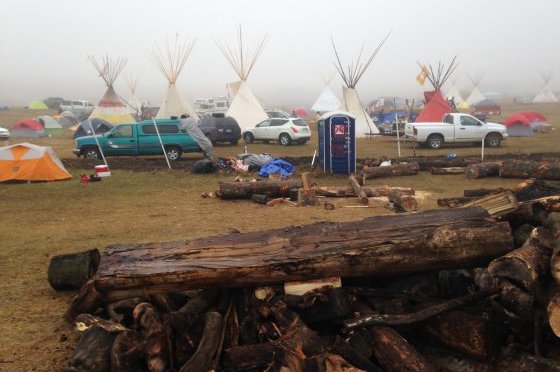
Though having only recently had the spotlight of the national media trained on them, the Dakota Access Pipeline protests have been a months-long clash between, on the one hand, Standing Rock Sioux tribe members, indigenous and non-indigenous allies, and environmental activists, and, on the other, proponents of the nearly 1,200-mile long oil pipeline from western North Dakota to southern Illinois. Indigenous protesters have made recourse to both litigation and direct action in an attempt to halt construction on a pipeline slated to come within a half-mile of the Standing Rock Sioux reservation. The protests have drawn both state and federal intervention, with the National Guard having been brought to protest sites, violent clashes between police and protesters, a legal tango between the Obama administration and district court judges, and increasing pressure on the U.S. presidential candidates to take a stand on the issue.
At issue is what activists say has been a failure on the government’s part to engage Native communities, conduct a thorough environmental and cultural impact assessment ahead of the pipeline’s construction, confront tribe members’ concerns about the potential for water contamination, and adhere to laws regarding the preservation of sacred cultural sites. The approach of the bitter North Dakotan winter has punctuated current protests with a question mark as activists and advocates seek to perpetuate the recently gained media momentum and mobilize public opinion—and, by extension, political pressure—against the pipeline’s construction.


 Outlas